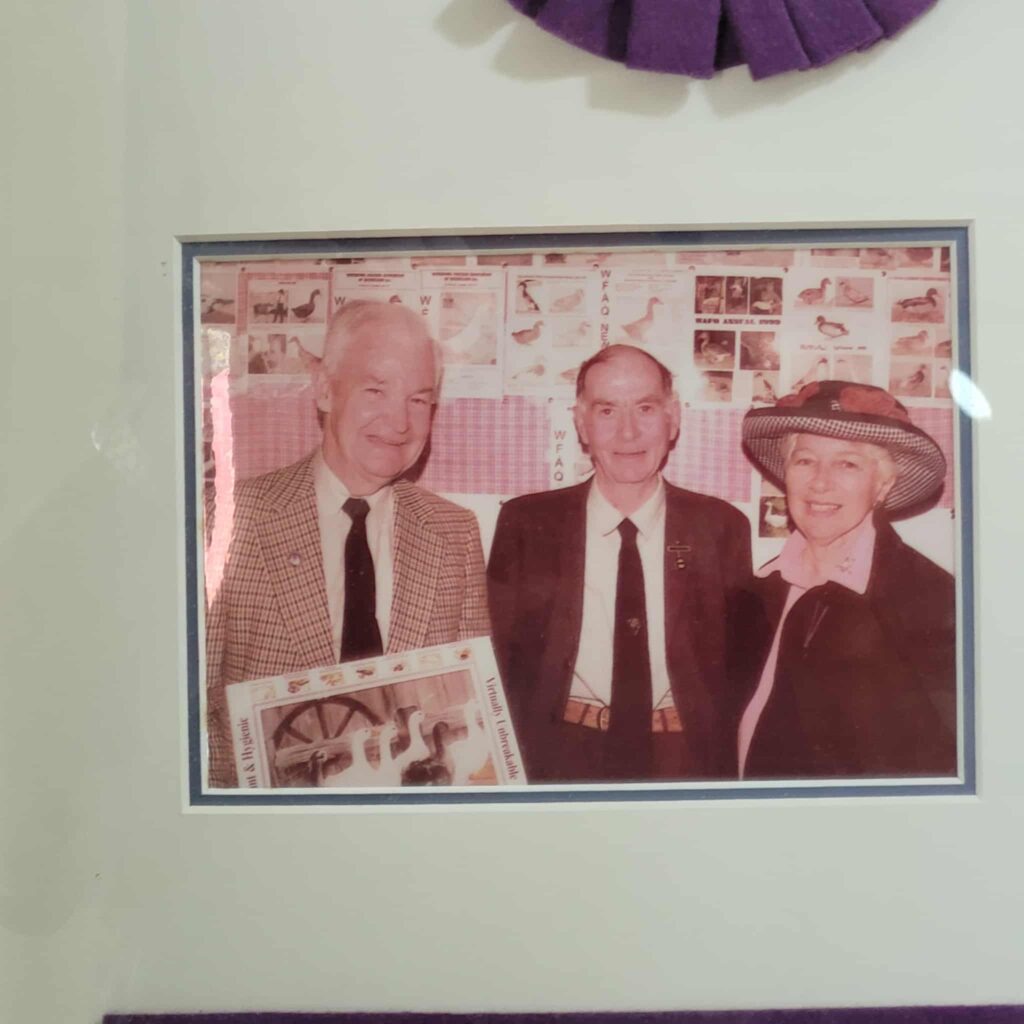
Vale Robert (Bob) Whitehouse, Founder FCAQI Avicultural and Poultry Museum
1/11/1938 to 16/9/2025
The FCAQI Avicultural and Poultry Museum at Caboolture Historical Village, the only museum of its type in the Southern Hemisphere, Museum owes its creation to the vision, dedication and enthusiasm of its founder, Bob Whitehouse.
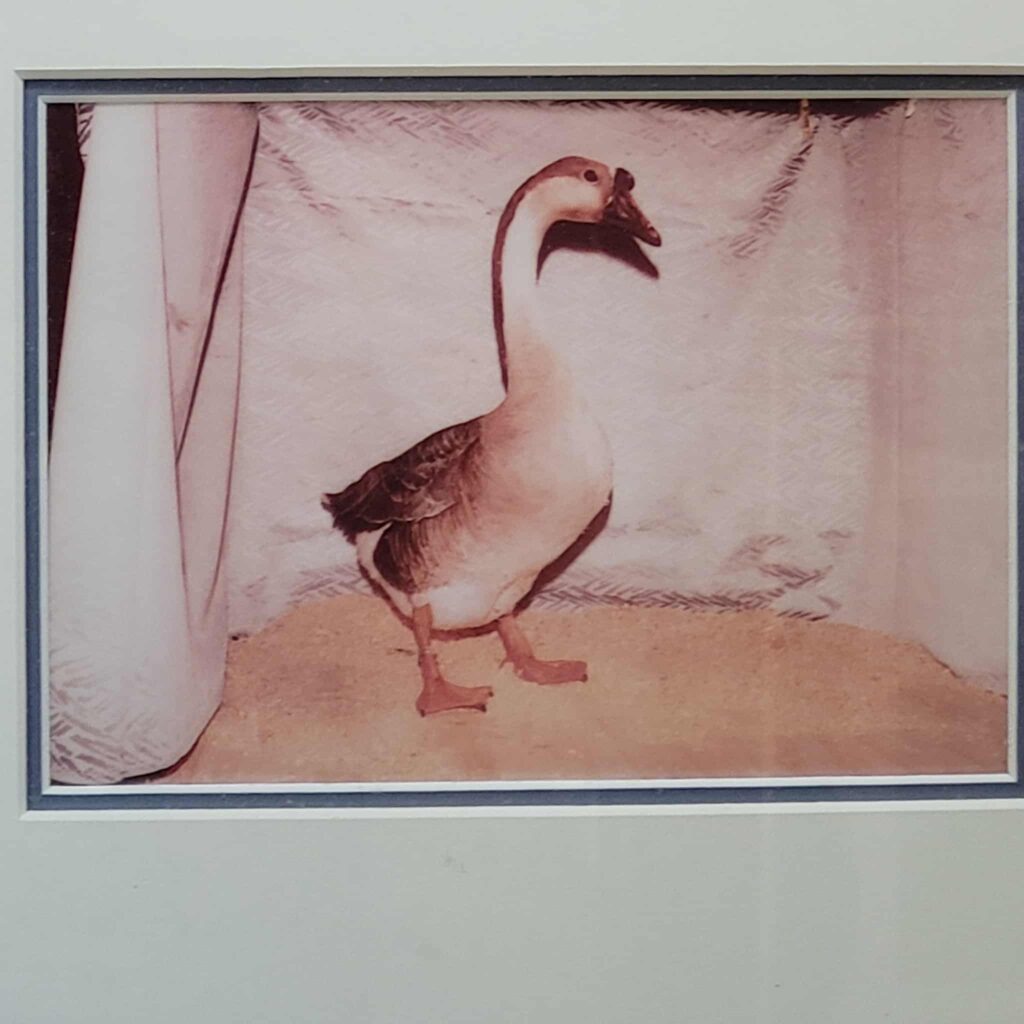
Bob had for many years been an avid waterfowl enthusiast, being particularly successful on the showbench with his Brown Chinese and Tufted Roman geese. He was heavily involved with the Waterfowl Fanciers Association of Queensland and the Pheasant and Waterfowl Association.
In 2001, Bob put forward an idea to the FCAQI annual general meeting to investigate the feasibility of establishing a museum to “preserve the rich heritage and achievements that our great pioneering poultry fanciers, predecessors and modern day breeders have accomplished”, and that a subcommittee be formed to do this.
At a FCAQI meeting on 17 November 2001, members sanctioned the establishment of an Avicultural and Poultry Museum. Bob Whitehouse was appointed chairman/secretary of the FCAQI Museum Subcommittee and remained in this role for the next 17 years. A number of people have served on the sub-committee over the years.
Community awareness of the new project then began amongst the poultry and bird keeping fraternities. This included an information booth with a display of poultry memorabilia which was set up at a number of club and agricultural shows, as well as the Brisbane Ekka.
Next job was to find a suitable location – several locations were considered, with the most suitable being at the Caboolture Historical Village. The Historical Society had generously offered a small building which could be re-purposed to house the museum.
How was the Museum establishment funded?
(a) selling lots of raffle tickets over a 2 year period
(b) generous donations
(c) auctions of donated items at social functions
(d) a sizeable grant from the Department of Primary Industries
Over a 14 month period and many, many working bees, the building was repaired and restructured. The original museum was comprised of the current main exhibition hall, with two extensions on the southern side and at the back added later.
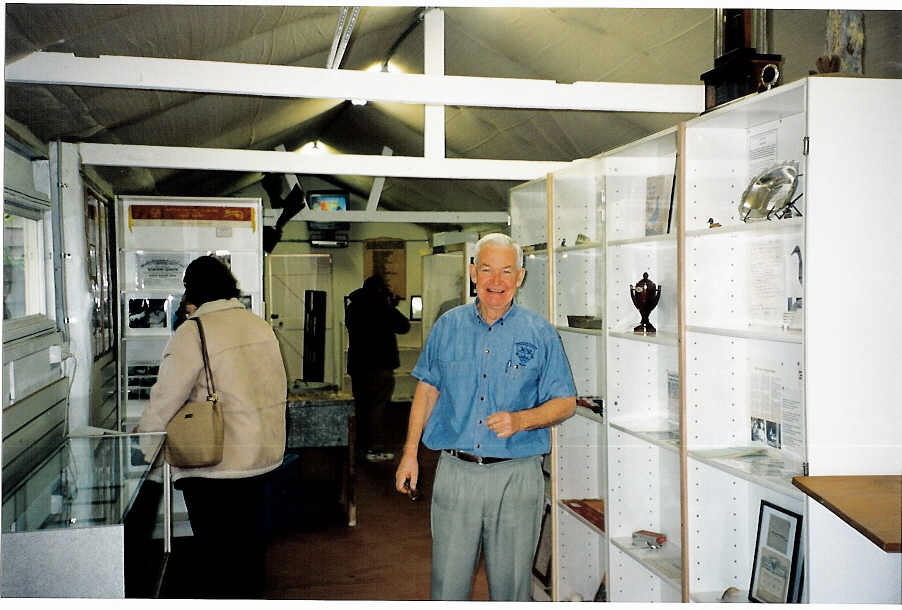
The original building had the appearance of a bark pioneer’s hut on its façade – it was decided that this be retained, and is still there behind the protective mesh and the cassowary display. The interior was significantly reworked, repainted, underside of roof painted, new shade cloth ceiling added, donated shop shelving and cabinetry installed, along with four dioramas.
Whilst many interested poultry and bird fanciers lived too far away to actively help in the regular working bees, they supported the museum by collecting and donating artefacts.
A key part of the Museum, and one which we are very proud of, is the section that deals with the vital role that pigeons played in communication in the past, particularly during times of war or conflict. Much of what is displayed was donated by Jack Clarkson, who served with the Australian Corps of Signals Pigeon Service during WW2. This display has progressively been added to over subsequent years by various other donors and curatorial team acquisitions.
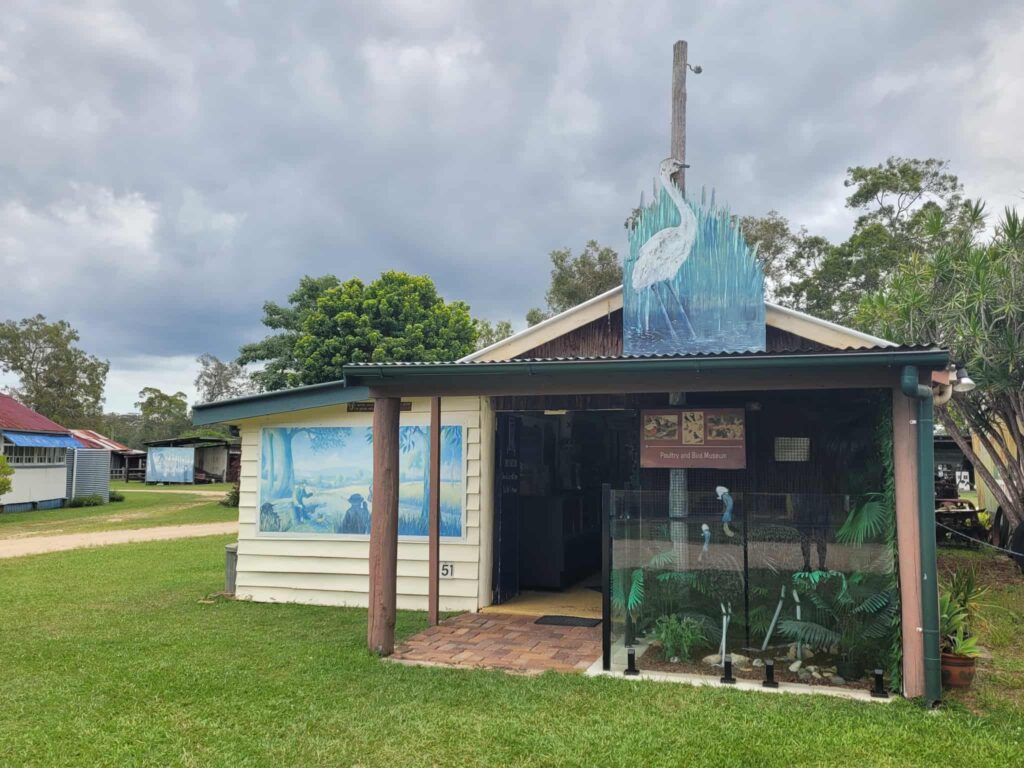
Bob commissioned the late Andrew Morris to paint the five interior dioramas and the mural next to the front entrance, all of which are admired by visitors, and capture different aspects of bird and poultry keeping over the years.
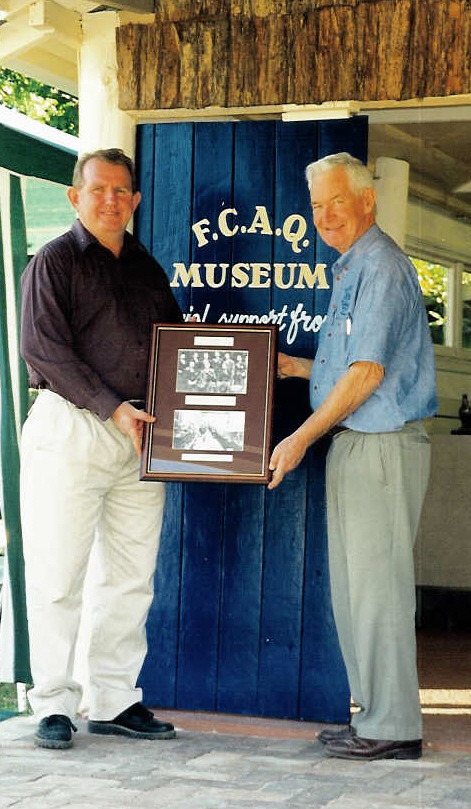
Bob and Marg Whitehouse were amongst the most significant contributors of artefacts and memorabilia to the Museum’s collection.
The Museum was officially opened on Saturday 28 June 2003, by Henry Palaszczuk, Minister for Primary Industries, in the presence of various dignitaries and poultry and bird breeders and exhibitors.
The collection of artefacts outgrew the original Museum building, so it was further extended on the southern side for the Incubator Room and the Currell & Clarke Wing, and the shed out the back was renovated to make more display space. These extensions and a new roof were made possible with funding from a Gambling Community Benedit Fund grant in 2005.
Progressively new display cabinets have been purchased and original cabinets upgraded. Donations of funds from several poultry clubs and contributions from the FCAQI have made a number of the various newer improvements possible.
The cassowary display was added in 2020 to make the front entrance more appealing.
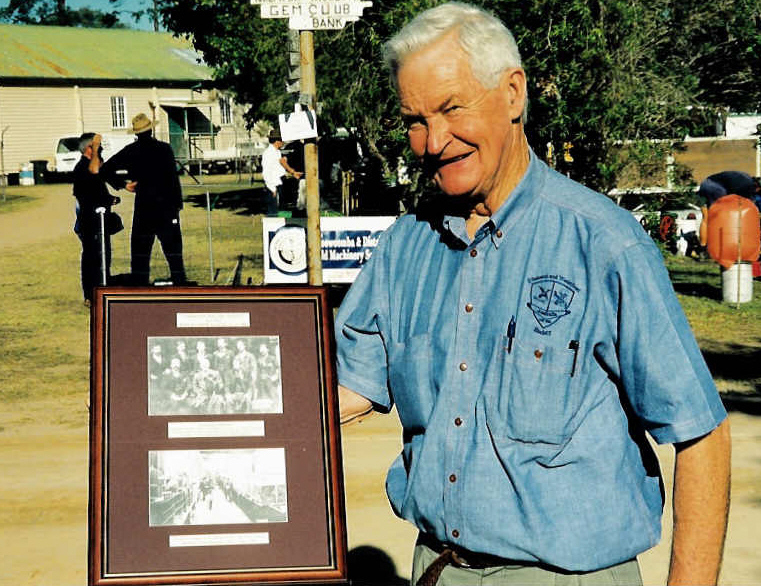
Over the years, Museum supporters have participated in Village events wherever possible and Bob was always there meticulously planning events and displays and conveying his enthusiasm for the Museum and all things avian and history related.
Bob passed away on 16 September 2025, at the age of 86, leaving behind a wonderful legacy that is a Museum for all visitors to the Historical Village to enjoy, learn more about and appreciate the rich history of bird and poultry keeping here in Australia.
Rest in peace Bob, you will be sadly missed, but your memory and efforts and enthusiasm will live on for many years to come. Sincerest condolences are extended to Bob’s widow Marg, their children and grandchildren and extended family.
Anyone visiting the Caboolture area is encouraged to visit the Caboolture Historical Village and in particular see the fruition of Bob’s vision and tireless work over many years with the assistance of a number of enthusiastic volunteers – the FCAQI Avicultural and Poultry Museum. Thank you Bob for your contributions to the poultry fancy in Queensland.